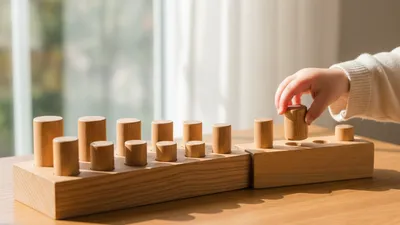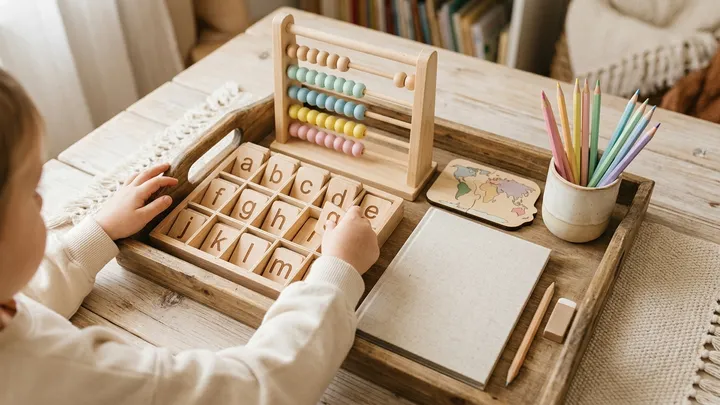
A complete Montessori homeschool can start with around $300-500 in essential supplies and grow over years to a fuller library of materials. This guide prioritizes what is genuinely essential, what is nice to have, and what is often oversold. The goal is to build a working environment, not buy every Montessori-branded product.
The most expensive mistake in Montessori homeschooling is buying too much, too soon, of the wrong things. The second most expensive mistake is buying the cheap version of the right things and having them fall apart.
This guide is the result of years of observing what families actually use, what they wish they had bought, and what they regret spending money on. It is prioritized: the things at the top are non-negotiable, the things at the bottom are optional or even avoidable.
The total budget you need is smaller than the marketing makes it look. A complete working Montessori homeschool can be built for under $1,500 over 2-3 years if you buy carefully. You can also spend $10,000 buying every Montessori-branded item you encounter. The first approach works better and produces more dedicated children.
The Essentials by Age
Birth to 18 Months
Honestly, very little. The Montessori principle at this age is environment over equipment.
Must-have:
- A floor mattress (twin) and minimal safe bedding ($150-250)
- Floor mats or rugs for movement areas ($50)
- One or two simple wooden grasping toys ($20-40)
- A wooden Munari mobile (and later Octahedron, Gobbi mobiles) ($30-50)
- A small wall mirror at floor level ($25-50)
Total: $275-440. That covers the first 18 months. Resist the urge to buy more.
18 Months to 3 Years
The toddler phase is when intentional materials begin to matter, but quantity should still be minimal.
Must-have:
- Knob puzzles (start with 2-3 simple ones) ($30-50)
- A shape sorter ($15-30)
- A stacker (wooden, with 5-7 rings) ($20-40)
- A practical-life tray with small pouring containers ($30-50)
- A small basket of board books (rotate from library) ($0-30)
- A small chair and table for child use ($50-100)
- Step stool for kitchen access ($25-50)
Total: $170-350. Add as the child shows readiness.
3 to 6 Years (Primary)
This is where the materials investment peaks. The primary years are materials-heavy because the curriculum requires specific manipulatives.
Tier 1 — Absolutely essential (~$400-600):
- Pink Tower ($60-90)
- Brown Stair ($60-90)
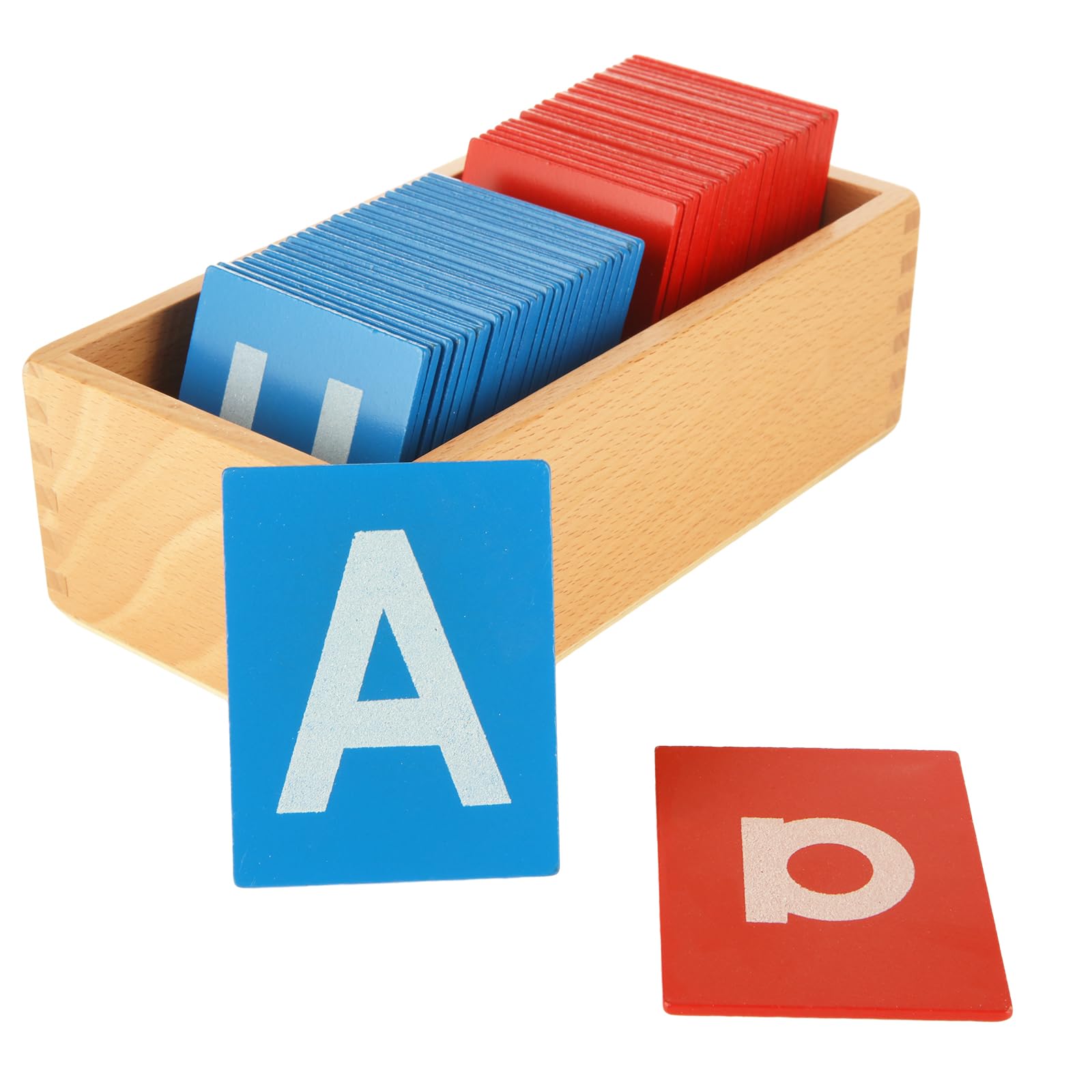
- Sandpaper Letters (lowercase, double set) ($60-80)
- Moveable Alphabet ($60-100)
- Sandpaper Numbers ($30-50)
- Number Rods ($40-60)
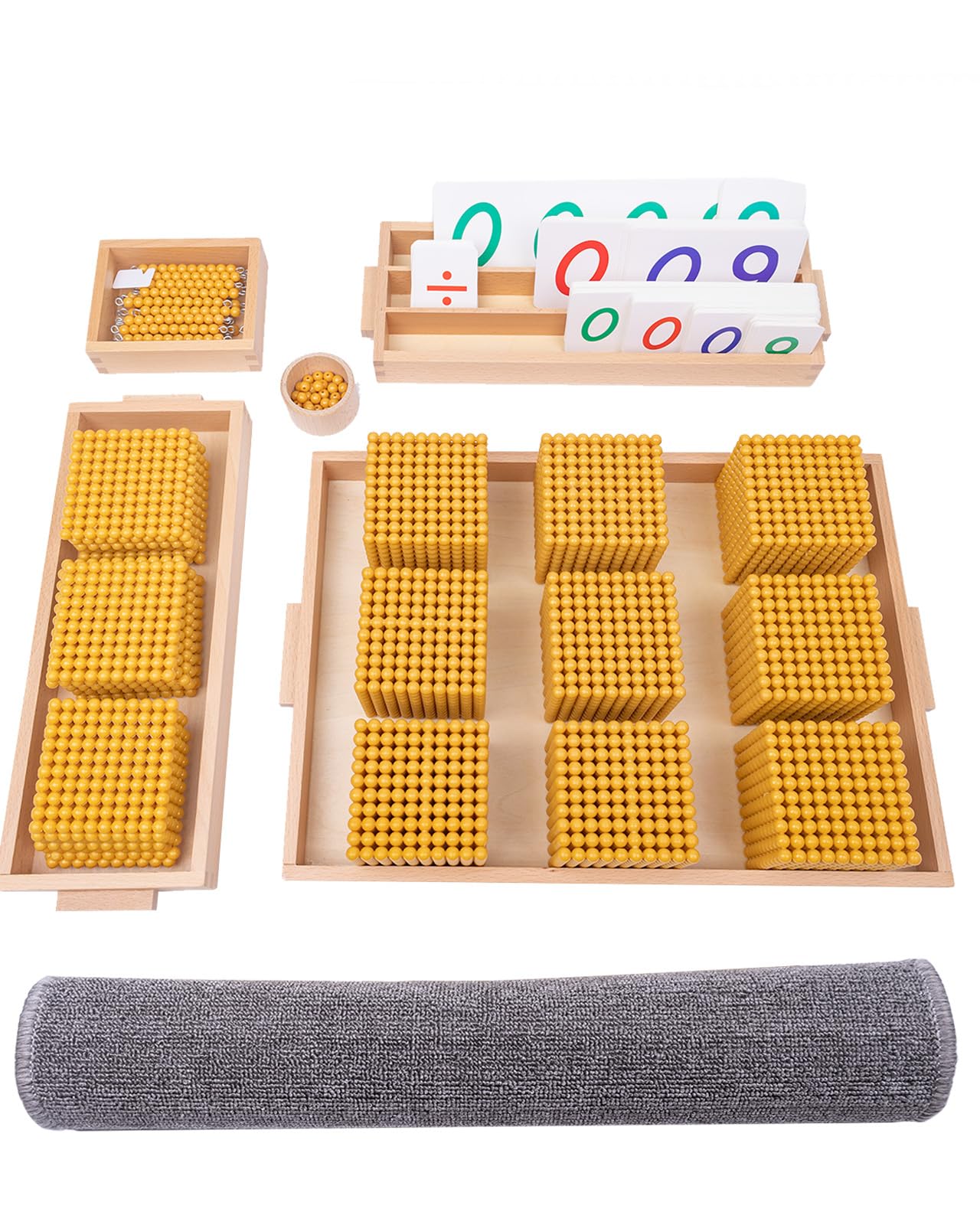
- Golden Beads introductory set ($80-150)
- Continent puzzle map ($40-60)
- Practical life trays and tools ($40-80)
Tier 2 — Strong second wave (~$300-500):
- Knobbed Cylinders ($120-180)
- Color Tablets Box 1 and 2 ($60-100)
- Geometric Solids ($40-70)
- Spindle Box ($40-60)
- Cards and Counters ($30-50)
- Bead chains (introductory) ($60-100)
Tier 3 — Add over time (~$300-500):
- Color Tablets Box 3 ($60-100)
- Knobless Cylinders ($80-120)
- Geometric Cabinet ($80-140)
- Trinomial Cube ($60-100)
- Stamp Game ($40-70)
- Bells (basic set) ($100-200)
Total complete primary: $1,000-1,600 spread over 3 years.
6 to 12 Years (Elementary)
Elementary requires less specialized equipment and more books, references, and research tools.
Must-have:
- Quality world atlas ($25-50)
- Globe (good quality, not toy) ($30-80)
- Basic microscope ($60-150)
- Measuring tools (ruler, tape, scale, thermometers) ($40-80)
- Good quality art supplies (watercolors, brushes, paper) ($60-120)
- A wall map of the world ($20-50)
- Reference books on key topics ($100-200)
- Foreign language resources if applicable ($50-200)
Total: $385-930. Significant supplementation with library books, museum visits, and online resources.
Where to Buy
Different suppliers serve different purposes.
Premium (Quality, Higher Price)
Nienhuis Montessori. The gold standard. The original Montessori materials supplier, founded with Maria Montessori’s blessing. Every material is manufactured to exact specifications. Used in most AMI-accredited training centers. Expensive but unmatched quality.
Nienhuis Montessori materials on Amazon
Mid-Range (Good Quality, Mid Price)
Alison’s Montessori. Family-owned, US-based. Quality is consistently good. Pricing is significantly below Nienhuis. The most commonly recommended mid-range supplier among American homeschoolers.
Alison’s Montessori materials on Amazon
Maitri Learning. Specializes in language and math materials. Quality and pricing comparable to Alison’s. Particularly strong on math materials.
Budget (Variable Quality, Lower Price)
Adena Montessori. Chinese-manufactured Montessori materials at significant discounts. Quality has improved markedly in recent years but still varies. Best for materials where precision is less critical (cards, basic puzzles). Be more cautious with materials requiring exact specifications (pink tower, knobbed cylinders).
Consumables and Supplements
Amazon, Lakeshore Learning, Discount School Supply. Good for art supplies, basic learning materials, consumables, and supplementary items not specifically Montessori. Watch out for “Montessori” labeled products that are not actually Montessori materials — just generic toys labeled with the term.
DIY and Used
Etsy. Many small Montessori material makers, often producing high-quality custom or specialized items. Variable pricing. Good for unique items.
Facebook Marketplace and Mercari. Used Montessori materials. Inspect carefully but can save significant money.
Local Montessori Facebook groups. Many cities have local Montessori homeschool communities with materials trading. Check social media for “Montessori homeschool [your city].”
What to Avoid
A few things to skip or be cautious about:
Plastic “Montessori” toys. If it is plastic and brightly colored with cartoon elements, it is not Montessori, regardless of marketing. The method emphasizes natural materials, simple aesthetics, and specific learning purposes.
Oversized starter kits. Many companies sell “Montessori starter kits” with 50+ random items. These are usually low-quality versions of various materials bundled together. Better to buy 5-10 quality items than 50 mediocre ones.
Decorative Montessori items. “Montessori-themed” decor, art, or accessories that do not teach anything. The method is about purpose, not aesthetic.
Most subscription boxes. Monthly “Montessori” subscription boxes are usually overpriced curated toy lists. You pay for the curation but rarely get the specificity Montessori work requires. Better to choose your own materials.
Reward charts, sticker systems, and “Montessori” classroom management tools. These are antithetical to the method. If a product promises to help your child “behave better” through rewards, it is not Montessori.
Anything labeled “Montessori-inspired” that has no specific Montessori function. “Inspired” is marketing language that often means “we used the word but did not commit to the substance.”
Building Your Materials Library Over Time
For families on a budget, here is a realistic 2-year plan to build a working primary set.
Months 1-3 ($300-400):
- Pink Tower
- Sandpaper Letters
- Moveable Alphabet
- Basic practical-life tools
- One or two puzzles
This gets you through the first year of primary.
Months 4-9 ($300-400):
- Number Rods
- Sandpaper Numbers
- Golden Beads introductory
- Color Tablets Box 1
- Continent puzzle map
Now you have the core math, language, and cultural foundations.
Months 10-18 ($300-400):
- Knobbed Cylinders
- Brown Stair
- Sound Boxes
- Spindle Box
- Geometric Solids
You now have a working primary set.
Months 19-24 ($300-400):
- Color Tablets Box 2
- Bead chains
- Geometric Cabinet
- Stamp Game
A solid, complete primary materials library.
Total over 2 years: $1,200-1,600. Spread out, this is manageable for many families.
A Final Thought
The deepest secret of Montessori homeschool supplies is that the child does not need many materials. They need a few good materials and the freedom to work with them deeply.
A child who has the pink tower for a year and has built it 200 times, in every possible variation, has done more meaningful work than a child who has 50 different materials and engages with each for an afternoon. Depth over breadth, always.
Start with the essentials. Add slowly. Buy quality where it matters. Skip the marketing. Watch your child engage and let their engagement guide your next purchase.
The materials are not the method. They are the tools. The method is the patient, observed, respectful relationship between adult, child, and prepared environment. The tools serve the method, not the other way around.
When in doubt, buy less. Add more later. Watch what your child does with what they already have. That observation will tell you more than any wish list could.